How Western Pharmaceutical Companies Help Corrupt Russia
About half a billion dollars disappear from the Russian public procurement system for imported medicines every single year. This colossal sum is dispersed throughout the country in the form of bribes and kickbacks. What is doubly alarming is that pharmaceutical corruption primarily affects oncology, since cancer drugs are the most expensive. This is no secret to anyone involved in the supply chain — foreign manufacturers, domestic distributors, doctors, and government officials. Now it’s time for patients, their families and loved ones, and the people whose lives and health depend on vials and pills manufactured abroad to find out about all this as well.
Ekaterina Reznikova, Roman Badanin, with contributions from Mikhail Rubin, November 2, 2026
“Welcome to the dark side of Russian healthcare. One of the world’s largest corruption schemes operates here. Every year, major pharmaceutical companies pay hundreds of millions of dollars to Russian officials, people in Putin’s inner circle, and FSB agents”.
This is an excerpt from an unpublished article written by a top executive at a major international pharmaceutical company. A Russian woman who has long worked for Western firms was responsible for the distribution of complex and very expensive medications in our country. This primarily refers to cancer drugs, which account for more than 40 percent of government drug procurement
, according to data from DSM Group analysts
×
. Like almost no other, she illustrates the scale of corruption in this industry and, most importantly, understands that everyone is well aware of this corruption: American and European drug manufacturers, Russian distributors, regulatory agencies, and doctors. They all remain silent about how this market operates because the status quo benefits everyone. Everyone except the patients, that is: every year in Russia, approximately 280,000 people die from cancer, accounting for one in six deaths
, according to 2023 data (detailed mortality statistics were classified in subsequent years)
×
.
Antonina
— name changed (our interviewee still visits Russia from time to time and, for this reason, asked that her real name be kept confidential —
×
recalls that she had long observed the practices prevalent in her industry but decided to speak out after the death of Alexei Navalny in 2024. The ongoing war and intensifying repression only strengthened her resolve.
In late 2025, she contacted Proekt with a draft of an article she had intended to publish in the independent press. The interviews with Proekt journalists that followed Antonina’s letter, as well as the documents provided by her, formed the basis of this investigation; the facts were verified through conversations with other players in the pharmaceutical market and with the help of the government procurement database. Our partners in the U.S. and Switzerland also provided significant assistance in preparing this piece.
“10–20% of the cost of every government procurement of expensive drugs in Russia goes toward bribes for chief physicians, officials, and law enforcement officers. That amounts to hundreds of millions of dollars a year. The bribes are financed by Western pharmaceutical companies, which factor them into their sales plans from the outset, while Russian intermediaries are the ones who actually pay the bribes”, Antonina says.
Proekt calculated that in 2025 alone, the Russian healthcare system purchased drugs from eight foreign pharmaceutical companies
, according to a report by Cursor
×
worth a total of RUB 386 billion. If we use the lowest of the estimates provided by Antonina to gauge the scale of the bribes, this would mean that corruption consumed about RUB 38.5 billion — just under half a billion dollars. The same thing happens every single year.
Foreign manufacturers among the top 10 suppliers to the public sector
By supply volume, January–December 2025, RUB bn
1. Roche
87.9
2. Astra Zeneca
77.2
3. Novartis
61.4
4. Sanofi
46.4
5. Johnson & Johnson
41.5
8. Bristol Myers Squibb
25.2
9. Astellas
24.3
10. Pfizer
22.5
Total, foreign companies
386.3
Source: Report by Cursor, “Consolidated data on government procurement of medicines”
This “bribery chain”, she explains, arises from the fact that all Russian distributors of Western drugs purchased with public funds receive huge “commercial bonuses” from manufacturers — on average, 30% of the cost of each package of medication. Such bonuses probably don’t exist anywhere else in the world. They are used to carry out what is known in the industry as “procurement support” — that is, bribing the decision-makers who determine what, when, and at what price the government will purchase, as well as paying “protection money” to government officials.
A Trillion or More
The government allocates more money toward fighting cancer than toward all other diseases combined
“I never expected a hospital to look like this”, TV host Margarita Simonyan posted on social media after visiting the new wing of the cancer hospital in Skolkovo in May 2026. Her words were immediately picked up by the propaganda media, in part because Simonyan herself, according to her own statements, was undergoing cancer treatment at the time
. No details about her diagnosed condition or where she was being treated were reported
×
.
Skolkovo Cancer Center
Skolkovo Cancer Center
Skolkovo Cancer Center
There really is a lot to see in Skolkovo: a huge airport-style lobby, offices with panoramic windows, a wide range of medical equipment, and nearly two dozen operating rooms, including robot-assisted ones. But the main “highlight” is a massive contemporary art exhibition featuring over 200 works by Russian and international artists, displayed in the hallways for patients and their families. “People can walk around, view the exhibition, meditate and put their minds at ease”, Simonyan enthused.
Contemporary art exhibition at the cancer hospital in Skolkovo. Source: mos.ru
Official statements suggest that, in recent years, the only thing Russian cancer patients lacked was art. In 2019, as part of the “Healthcare” national project, an unprecedented initiative called “Fighting Oncological Diseases” was launched nationwide. Never before has the budget allocated so much money to treat a single group of diseases.
In the first six years of this program, nearly one trillion rubles were allocated for cancer treatment.
That is two-thirds of the entire national project’s funding
from 2019 to 2024; by comparison, nearly 13 times less — RUB 75.2bn — was allocated to combat cardiovascular diseases, the leading cause of death among Russians
×
.
The funds were used to create a network of outpatient cancer centers, equip oncology clinics, and purchase equipment. The majority of the funding, however, went toward medications, including modern and very expensive targeted and personalized immunotherapy based on molecular-genetic markers. After the invasion of Ukraine, the program was extended for another six years
until 2030
×
, with funding remaining at the same level — more than RUB 140bn per year from the federal budget
. That said, due to the war, federal budget spending on oncology has plummeted. As of October 2026, the actual disbursement of funds allocated for the fight against cancer had fallen by 82%. Even less is allocated in the 2027 budget: RUB 3.9bn instead of the 144.9bn previously promised
×
.
The national project is not the only part of the government’s fight against cancer. The main funding for the treatment of cancer patients comes from the Mandatory Health Insurance Fund
. In 2025, the fund spent a total of 490 billion rubles on cancer care, of which only 28.5% came from the national project
×
. There is also the federal program “14 High-Cost Nosologies”, under which the Ministry of Health centrally procures medications for the treatment of oncohematological diseases. And then there is the state-run “Circle of Good” fund, which receives money from a surtax on wealthy Russians
since 2021, people earning more than RUB 5 million a year have been paying a higher income tax. A portion of these taxes goes toward subsidizing the “Krug Dobra” fund
×
. The fund purchases medications for critically ill children, including those suffering from cancer. And, of course, cancer treatment is supported by regional budgets, which are required to provide all cancer patients with medications for home use free of charge from the moment of diagnosis.
Oncologists and patients alike acknowledge that increased funding has borne fruit. Early-stage detection rates have risen, as has patients’ life expectancy. Mortality in the first year after diagnosis has decreased — at least according to official statistics.
Changes in cancer diagnosis and treatment situation in Russia during the first six years of the national project
Data for all types of malignant neoplasms in Russia, regardless of localization
Detection rate in early stages (I–II), %
56.461.457.456.357.959.360.560%50%
5+ year survivability, % of all registered patients
Source: Compilations “Malignant Neoplasms in Russia” by the P. A. Herzen Institute of Medical Radiology — a branch of the National Medical Research Center for Radiology of the Russian Ministry of Health — edited by A. D. Kaprin, V. V. Starinsky, and A. O. Shakhzadova
Government spending on anticancer drugs and immunomodulators
Source: Annual reports “Russian Pharmaceutical Market” by DSM Group, 2019–2025
The situation is not quite as rosy as it seems, though. After all, one-fifth of the cost of every medication purchased by the government with public funds is spent not on helping patients, but on lining the pockets of corrupt officials. This money — which is a colossal sum for the Russian healthcare system — could be used to purchase more medications or to invest in technologies that help diagnose and treat cancer.
Bribery Chain
Who profits from unprecedented bonuses for cancer drugs
In October 2025, 47-year-old Olga Lender died in St. Petersburg after a four-year battle with breast cancer. She had been receiving treatment at the City Clinical Oncology Center (GKOD), one of St. Petersburg’s leading cancer treatment facilities. The center treats 40,000 patients annually. Its doctors perform more than 1,000 surgeries per month, with about 2,500 people receiving chemotherapy at any given time.
City Clinical Oncology Center named after A.I. Serebrov in St. Petersburg. Source: the center’s website
When Olga first came to the GKOD for an appointment in 2021, she already had her test results with her: a tumor biopsy performed at another facility at her own expense, and a CT scan that already showed suspicious lesions in her liver and sacrum — these were likely metastases
, as Olga herself wrote in the Telegram channel she ran during her lifetime
×
. However, the GKOD did not conduct any additional examinations; instead, they prescribed Olga some basic tests. They collected urine and blood samples, performed an ECG, reviewed the biopsy slides once more and made the diagnosis: stage 3 hormone-dependent breast cancer. She was prescribed intensive therapy, the so-called “red chemo”
a course of intravenous chemotherapy consisting of several drugs, one of which is bright red in color, hence the name. This is one of the most poorly tolerated treatment regimens for breast cancer: after each infusion, patients often experience severe weakness and nausea, hair loss, and a decline in blood values and immune function. Lender’s regimen was “intensified” — the drugs were administered at shorter intervals, meaning the treatment was even more grueling
×
, one of her breasts was removed, and she then underwent radiation therapy as well.
But Olga didn’t feel any better. Tormented by pain, she sought out private consultations with other doctors. They told her that her initial diagnosis might be incorrect. If the lesions in her liver and spine were metastases, then she had stage IV cancer. Treatment for her type of tumor should have been radically different: she should have been prescribed several imported oral medications. Olga had no illusions about a cure, but she still filed complaints with various authorities—she wrote to the chief physician of the GKOD, the Federal Service for Surveillance in Healthcare (Roszdravnadzor), the Prosecutor General’s Office, the Mandatory Health Insurance Fund, and so on. As a result, a criminal case was opened
under Article 238 of the Criminal Code of the Russian Federation “Fulfillment of Works or Rendering of Services Which Do Not Meet Safety Standards”; the case was later reclassified under Article 293 of the Criminal Code of the Russian Federation “Neglect of Duty”, as a relative of the patient explained in her blog
×
, but Olga did not live to see the end of the investigation.
Why the doctors chose this particular treatment strategy for Olga and whether it was the right one must be determined by the expert review of the case, which her relatives are currently awaiting
. the GKOD did not respond to Proekt’s inquiries
×
. That said, an experienced oncologist who reviewed Lender’s case at Proekt’s request says that the doctors at the GKOD may have been guided, in part, by economic considerations. The treatment chosen for Olga — surgery, chemotherapy, and radiation therapy — was performed in the hospital, and the hospital received payment for it from the Mandatory Health Insurance fund. If the GKOD had prescribed pills for her to take at home, it would not have received any payment.
But even more importantly, the therapy Olga was seeking is much more expensive than the one she received. Given her diagnosis and stage of the disease, she should have received targeted therapy to inhibit the division of tumor cells
so-called CDK4/6 inhibitors
×
, which in theory could have extended her life expectancy
. This is not just an assumption. According to data from the “State of Oncology Care for the Russian Population” reports for 2022–2023, the number of people who died in St. Petersburg from malignant tumors in the first year after diagnosis is higher than the number of people diagnosed with stage IV cancer in the previous year. The Leningrad Oblast ranks first in Russia for this rate. This indirectly suggests a possible systematic underestimation of disease stages in the region and, consequently, the selection of inappropriate treatment for such patients
×
. St. Petersburg procures several such drugs — ribociclib, palbociclib, and abemaciclib — all of which, at the time Olga was undergoing treatment, had no Russian equivalents and were purchased with state funds from foreign manufacturers. The cost of an annual treatment course for a single patient ranges from RUB 950,000 to 1.4 million
rounded, according to data from the St. Petersburg Health Commission’s government procurement records
×
. Any one of these three drugs is nearly 300 times more expensive than the therapy prescribed to Olga
. Following surgery, chemotherapy, and radiation therapy, Olga received letrozole as monotherapy from the city as part of her maintenance treatment under the subsidized program. The cost of its annual supply in 2023 was 3,185 rubles
×
.
Who decides how to treat Olga and other Russian patients, and which drugs — and in what quantities — should be procured for them?
Doctors and Healthcare Managers Doctor-managers are a key link in the government procurement chain. Starting in 2022, cancer in Russia can only be treated at hospitals that have both a surgery department and departments for chemotherapy and radiation therapy — these hospitals hold a “monopoly” on determining a patient’s treatment plan. For example, in the vast city of Moscow, only six out of 189 hospitals have been granted the right to treat cancer
or, in bureaucratic terms, to “provide comprehensive oncological care”
×
, while in St. Petersburg, these are the GKOD and three other hospitals. Chief physicians at major cancer centers and their deputies in charge of medical care are the chief clinical oncologists; they determine which treatment regimens to use most frequently and how many drugs to purchase for those regimens. They can choose regimens that are more profitable for the hospital or for themselves personally.
At the regional level, the list of drugs is established by the chief oncologist and the chief clinical pharmacologist. The head of the regional health ministry approves the lists and procurement budgets. Above him is the vice governor for social affairs. Of course, the chain also includes all manner of regulatory agencies — from the Federal Antimonopoly Service (FAS) to the Federal Security Service (FSB).
Big Pharma On the side of those who supply the drugs, the chain appears simpler at first glance. Until at least 2025, Russia’s oncology sector included all of the world’s largest pharmaceutical companies — Roche, AstraZeneca, Novartis, Johnson & Johnson/Janssen, Bristol Myers Squibb, Bayer, Astellas, Pfizer, MSD, and Merck. Each of them used to have or still has a representative office in Russia, which, however, does not participate in government tenders itself. They all operate through large distributors owned by Russians.
Distributors and Their “Fronts” In Russia, there are two nearly distinct segments of the pharmaceutical market: the commercial segment and the state segment (public procurement contracts for hospital supplies; these medications are, in most cases, free for patients). Despite the country’s vast size, the commercial segment is highly consolidated. Four distributors lead the market here—“Puls”, “Protek”, “Katen”, and “Grand Capital” (accounting for nearly 75% of it, with combined sales in 2025 exceeding RUB 1.5 trillion). Pharmacies also sell certain cancer treatments, but these volumes are negligible compared to the volumes of oncology drugs flowing through the government market. Virtually none of the pharmacy players are active in the government procurement market
. Only “Protek” and “Grand Capital” hold modest positions in the rankings of top suppliers to the state segment in 2025, according to the DSM Group marketing agency. Their combined share of the government procurement market is about 5.3%. Cursor analysts only included “Protek” in their ranking of top suppliers for the government market, with a 2% share. Headway Company did not include either “Protek” or “Grand Capital” in their ranking. All four companies—“Puls”, “Protek”, “Katen”, and “Grand Capital” — did not respond to Proekt’s inquiries
×
. The state segment has its own top dogs. The top five companies in terms of sales of cancer drugs to government institutions
in 2025, according to Cursor analysts×
are as follows:
Top 5 companies in the government drug supply market
By sales of cancer drugs in 2025, RUB bn
“Pharmstandard”
28.1
Viktor Kharitonin
“R-Pharm”
24.7
Alexey Repik
“Biocad”
21.5
Controlled by “Pharmstandard”
“Irvin”
17.1
Co-owned by the family of Alexei Dyumin, Putin’s former bodyguard
“Nanolek”
15.1
Controlled by “Pharmstandard”
Source: Sales of Anticancer Drugs in Russia 2024–2025, report by the Cursor analytical agency
Being a distributor of Western medicines for state hospitals has always been profitable. First, all manufacturers offer their distributors generous loan facilities — medicines are purchased exclusively on credit
, according to Proekt’s source. Their statements are also corroborated by two pharmaceutical market experts who formerly worked at major Russian pharmaceutical companies
×
. Manufacturers ship the drugs from their warehouses on the promise that payment will be made in 90–120 days — after the hospitals have fully settled their purchase invoices.
Second, global pharmaceutical giants use a bonus system on the Russian market that is unique to their practices. On average, this amounts to 30% of the drug’s cost (and for particularly large tenders, such as those in Moscow, a bonus of up to 60% is possible).
Technically, this bonus is money that the manufacturer returns to the distributor after the batch has been sold, provided the distributor meets the agreed-upon conditions: purchase volume and timely payment. While the drug’s price remains the same throughout the supply chain, the distributor’s actual purchase price ends up being significantly lower after the bonus is paid.
This mechanism itself was not invented in Russia: pharmaceutical companies around the world offer discounts and bonuses for large purchases, but in most countries they negotiate directly with the government or insurance companies to ultimately reduce the net cost of drugs for the healthcare system — and thus, for patients. In Russia, however, the situation is unique, not only in terms of the size of the bonuses (in other countries, they are sometimes an order of magnitude lower; see the chart below) but also in terms of their recipients. In essence, the massive “discount” from the manufacturer has almost no impact on the price of drugs for state hospitals.
How much do pharmaceutical companies pay distributors in different countries?
As a percentage of sales
Russia
on average 30%
Brazil
6.5–15%
Turkey
up to 10%
South Korea
6–9%
Saudi Arabia
7–8%
Bulgaria
2–3%
Source: Proekt interlocutor who worked in the international pharmaceutical market
Cases of distributor payments becoming part of corruption schemes
In 2007 in Brazil, Eli Lilly gave one of its distributors bonuses
labeled as “discounts” in the original lawsuit×
of 17% and 19% on government drug shipments. The U.S. Securities and Exchange Commission described these discounts as “unusually large”. The investigation revealed that the distributor then used approximately 6% of the purchase price to pay bribes to government officials
. Source: U.S. Securities and Exchange Commission, SEC v. Eli Lilly and Company, 2012
×
.
In Mexico, Teva further increased payments to its local distributor on sales of Copaxone to government agencies by 2%. This additional money was intended for payments to government officials and doctors at public hospitals, according to an investigation by the U.S. Department of Justice.
. Source: U.S. Department of Justice, the case of Teva Pharmaceutical Industries LTD., 2016
×
.
Top management at major global companies understands that the bonus system in Russia appears disproportionate — “Big Pharma” itself commissions studies on this phenomenon and reviews their findings. Here, for example, is a confidential report for pharmaceutical market participants from analysts at Kept Tax and Advisory (the former Russian division of the KPMG audit and consulting network). The analysts point out to “Big Pharma” that in 2022, the typical bonus for drug distributors in Russia’s state segment was 30%, while for the commercial segment — which sells drugs through pharmacies — it was just 4%
. Responding to Proekt’s inquiry, Kept explained that bonus mechanisms are just one component of the commercial terms that make up the system of relationships between pharmaceutical companies, distributors, pharmacy chains, and so on. Analyzing and comparing them in isolation from other elements of the system of relationships among market participants is misleading, Kept stated, while refusing to confirm the authenticity of the study in Proekt’s possession
×
.
Bonuses and Discounts for Distributors in the State and Commercial Segments
Bonus size as a percentage of sales, median and range of values, 2022
State segment
30%from10%up to64%0100
Commercial segment
4%from1.8%up to21%100
Source: Confidential 2023 report by the auditing and consulting firm Kept Tax and Advisory A copy is available to Proekt’s editorial team. In response to Proekt’s inquiry, Kept stated that it cannot confirm the validity of the report’s data due to its confidential nature.
Despite all the benefits of a business model based on bonuses, large distributors do not always participate in government procurement. For some reason, they resell medicines to smaller (often fly-by-night) regional companies which, in turn, participate in hospital tenders, colluding among themselves to decide who gets which market segment.
Why is such a complicated scheme necessary? First, as two sources interviewed by Proekt explain, it creates the “appearance of competition”. Across the country, hundreds — or even thousands — of different companies participate in government procurement, while offering roughly the same prices. This helps keep the government’s purchase price for medications high. Second, even if a scandal were to erupt involving one of the smaller companies — for example, if it were caught colluding with a hospital or paying a bribe — the large distributors and manufacturers will not be implicated. Third, these practices are necessary to mislead regulatory authorities, since, by law, every government procurement agency must allocate a portion of its budget to purchasing goods from small businesses. Large pharmaceutical companies are prohibited from participating in such tenders, but through a network of compliant sub-distributors, they are able to seize this market segment as well.
Corruption Fund
How bonuses turn into bribes
In practice, the main role of these front companies in the regions is to negotiate with local doctors and officials responsible for government procurement — and to pay them bribes.
“Large distributors don’t want to deal with under-the-table cash themselves — it’s quite a hassle”,
— explains Proekt’s source who works at one of the Western pharmaceutical companies. Cash is mainly used, he explains, and to obtain it without compromising their public accounting records, these companies resort to “cash-out schemes”. For example, they pay contractor companies for logistics, marketing, or warehouse repairs, but in reality they receive no services, since the contractors are actually shell companies whose only point of existence is to participate in such schemes — i.e., to convert funds into cash for a bribery slush fund. On the Russian market, the fee for this service is about 6%
, our source claims, This is confirmed by numerous publications about the “cash-out” market
×
.
“Based on my experience and conversations with secondary distributors, the breakdown is as follows”, Antonina explains. “Let’s say the registered price of a drug in Russia is 100 rubles. The pharmaceutical manufacturer pays a 30% bonus, meaning it will cost the primary distributor 70 rubles. The distributor, of course, will try to keep as much as possible for themselves, but they’ll have to give 13–15% to the secondary distributor — a front company — which will thus also receive a bonus of 13–15 rubles per pack. The price for the latter is then 85–87 rubles, and they’ll sell the drug to the government for 100. Of the 13–15 rubles per pack, the sub-distributor will keep 3–4 rubles for its services and hand out 9–12 rubles in bribes”.
Palbociclib and ribociclib, which Olga Lender sought to have approved in 2023, were procured twice by St. Petersburg during that period. Both tenders were ignored by manufacturers and major distributors despite the apparent profit.
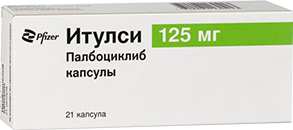
Palbociclib (brand name “Itulsi”) is manufactured by Pfizer; in Russia, it has a subsidiary called “Pfizer Innovations”, which holds a full license to sell drugs. However, the American giant’s Russian subsidiary did not participate in the bidding. Instead, the drug is distributed by “Pharmstandard”, but this company also did not participate in the tender either. The only bidder was “Pharmcomplex”, a secondary distributor of “Pharmstandard”. It predictably won the right to supply 6,460 packages of palbociclib for just under half a billion rubles
RUB 472m
×
.
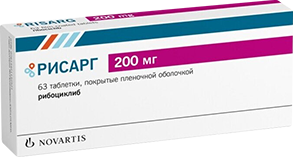
Ribociclib (brand name “Risarg” or “Kiskali”) is manufactured by the Swiss company Novartis. However, neither Novartis nor its main major distributor “Pharmimex” participated in the St. Petersburg tender either. The sole participant and supplier of 9,407 packages of the drug, worth over one billion rubles, was “Wholesale Medical Company” — a secondary distributor from St. Petersburg.
“These are very large tenders for widely used cancer drugs. They are not held in remote regions of Russia, where the pharmaceutical companies’ reliance on intermediaries could be explained by logistical difficulties, but rather in St. Petersburg, where there are no issues with transportation access, warehouse capacity, or even finding a specialist who can prepare the company’s tender documents. And yet, we see no competition at all in these tenders. Every single time, like clockwork, only one company submits a bid, and that company wins the contract. For each such tender, the chain of intermediaries will receive at least 25–30% in commercial bonuses — about RUB 400 million from these two contracts alone! That’s quite a profit margin”, Antonina chuckles
. The St. Petersburg Health Committee did not respond to Proekt’s inquiry regarding drug procurement
×
.
Supply chain for cancer drugs in St. Petersburg
By procurement volume, 2023. Of three nearly interchangeable drugs, the more expensive one is purchased, because its bonus is higher
Bonus30%
“Risarg”
Ribociclib
Manufacturer
Novartis
Price per package
RUB 100,000 (excluding VAT)
Procurement volume
Over RUB 1,032m (RUB 938m excluding VAT)
Procurement
Novartis pays “Pharmimex” a bonus of approx. 30% for “securing the tender”
“Pharmimex” shares part of the bonus with the intermediary, “Wholesale Medical Company”
“Wholesale Medical Company” is declared the sole bidder in the tender
St. Petersburg Health Committee purchases the drugs from “Wholesale Medical Company”
The companies’ bonus — at least RUB 310m
Bonus25%
“Itulsi”
Palbociclib
Manufacturer
Pfizer
Price per package
RUB 66,000 (excluding VAT)
Procurement volume
RUB 472m (RUB 429m excluding VAT)
Procurement
Pfizer pays “Pharmstandard” a bonus of approx. 25% for “securing the tender”
“Pharmstandard” shares part of the bonus with the intermediary “Pharmcomplex”
“Pharmcomplex” is declared the sole bidder in the tender
St. Petersburg Health Committee purchases the drugs from “Pharmcomplex”
The companies’ bonus — at least RUB 118m
Bonus20%
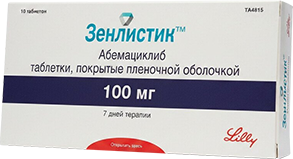
“Zenlistik”
Abemaciclib
Manufacturer
Eli Lilly
Price per package
RUB 66,000 (excluding VAT)
Procurement volume
RUB 20m (RUB 18.5m excluding VAT)
Procurement
Eli Lilly pays “Pharmstandard” a bonus of 20%
“Pharmstandard” participates in tenders itself because the bonuses are “low”
St. Petersburg Health Committee purchases the drugs from “Pharmstandard”
The bonus of “Pharmstandard” — at least RUB 4m
Source: government procurement data; for bonus amounts — sources in the pharmaceutical market
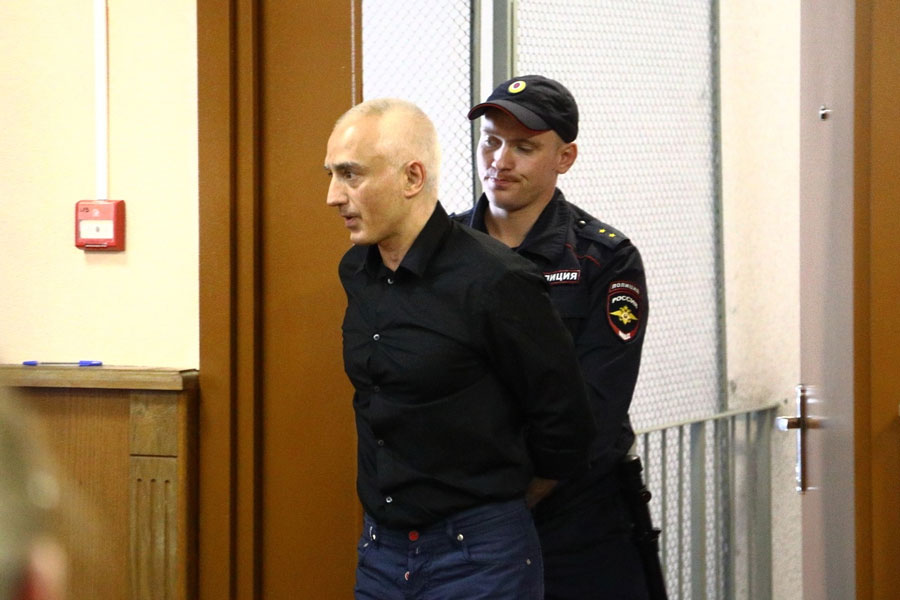
The fact that a significant portion of distributors’ earnings goes toward bribes is, in a sense, common knowledge. In 2020, shortly before Olga Lender was given her terminal diagnosis, Roman Koval, a member of the local legislative assembly, was arrested in St. Petersburg. In exchange for a 20% “kickback” on the value of the contracts, he helped the very same “Wholesale Medical Company” (OMK) that supplied the city with the Ribociclib Olga was seeking.
Roman Koval in court. Source: St. Petersburg Legislative Assembly website
The scheme was ingenious: the MP, using his authority and connections within the city government, helped hospitals obtain subsidies from the local budget, and the hospitals, in turn, entered into government contracts with companies whose interests the MP lobbied for.
. The case involved ten contracts totaling over RUB 109m, which were ultimately signed with OMK and several other companies
×
.
The decision to purchase ribociclib and similar medications for home use is made by a special commission of the city’s health department, but the list of such drugs is compiled by a specific individual: the city’s chief oncologist. Dmitry Gladyshev, a surgeon from City Hospital No. 40, has held this position for several years. “He’s part of the St. Petersburg ’surgical mafia,’” one of Gladyshev’s colleagues says of him. “He’s a graduate of the Military Medical Academy. The secret behind his appointment is simple: in 2019, Dmitry Lisovets, a graduate of the Military Medical Academy, took over as head of the committee, and brought his own people in.
Dmitry Gladyshev, chief oncologist of St. Petersburg. Source: City Hospital No. 40 website
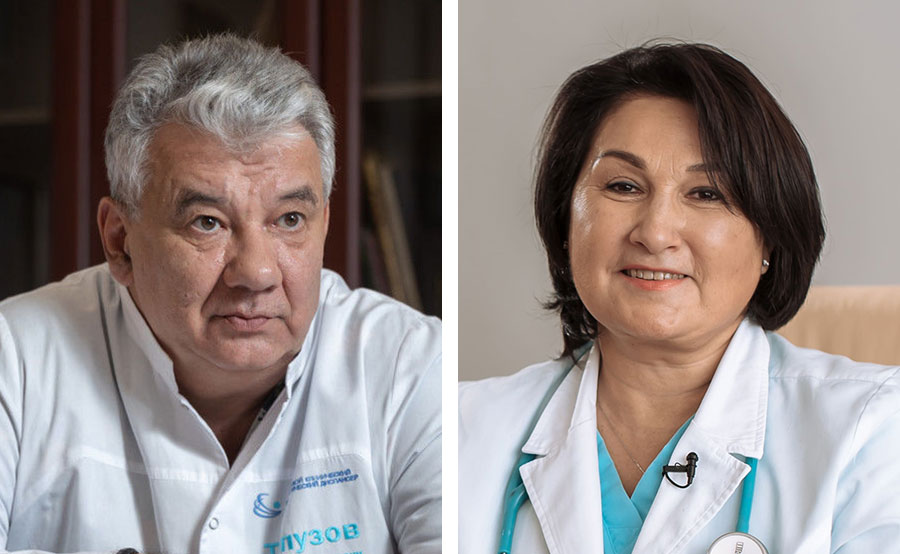
The drugs used for inpatient treatment at the GKOD are selected by the hospital’s chief physician, Eldar Topuzov, and the chief specialist in clinical oncology, Rashida Orlova. Both were born in Uzbekistan, worked together for a long time, and got married in 2014, although few of their colleagues know about it. The reason is that after their wedding, their working relationship should have, at the very least, been subject to a conflict-of-interest review. The anti-corruption requirements in effect for St. Petersburg government agencies stipulate that spouses must not be in a subordinate or supervisory relationship.
Eldar Topuzov and Rashida Orlova. Source: spbdnevnik.ru and womenforhealth.ru websites
Orlova, Topuzov, and Gladyshev all disprove the widespread belief that doctors in the Russian public healthcare system are destitute. Even officially, they receive substantial income from pharmaceutical companies — up to several million rubles a year in addition to their salaries
— in 2021, Orlova and Topuzov’s combined annual income, based solely on their official tax returns, amounted to RUB 35m. Gladyshev has no public financial disclosures, but leaks reveal that he also received official income from one of the pharmaceutical companies
×
. This is compensation for participating in marketing events organized by drug manufacturers
the amounts of such expenses are carefully tracked, and pharmaceutical companies publish them in their public financial reports
×
. But this isn’t the main compensation received by doctors who have the ability to influence tenders.
“When I read news reports that the chief physician of an oncology center in the Penza Oblast was caught taking a bribe because distributors were paying him 4% of the tender price, I don’t believe it. No one in our business works for that kind of money; everyone takes more than that. In Moscow, St. Petersburg, and Crimea, they take at least 20%. If you offer less, don’t even bother”, says Antonina.
The total value of the Gladyshev family’s real estate (his wife also works at the hospital) exceeds RUB 100 million. The couple also owns a nice dacha on the Karelian Isthmus, a favorite summer vacation spot for wealthy St. Petersburg residents. Orlova and Topuzov also have a spacious house there, as well as an apartment in the city itself, and additional real estate in Spain and Bulgaria
This is known from Topuzov’s latest public asset declarations. The value of Orlova’s real estate in Russia is about 50 million rubles
×
. The couple takes expensive trips abroad several times a year; they are accompanied on these trips by their children and grandchildren, who, by all accounts, are also quite well-off. Orlova’s daughter Oksana Baikova, and her husband Boris have real estate registered in their names with a total value of about RUB 140 million
. This includes an apartment in a gated community in the Kommunarka district of Moscow, a house in a cottage community in the southwestern part of the capital, and an apartment in St. Petersburg in a clubhouse on Kirochnaya Street, just a stone’s throw from Tavrichesky Garden
×
. Baikova herself, a dentist by training, does not appear to be currently employed. Her husband, an IT manager, currently heads sales at Huaxun Group RU, a company that supplies Chinese equipment; his monthly salary there is about RUB 500,000
. Orlova, Topuzov, and Gladyshev did not respond to Proekt’s letters
×
.
“They are beneficiaries of state procurement”, says an acquaintance of Topuzov, a practicing oncologist. “In fact, there’s not a single chief physician at an oncology center or institute who doesn’t steal. Many have literally taken bribes right in front of me. Once, a distributor handed a bunch of 5,000-ruble bills to the late chief physician of the Arkhangelsk Cancer Center right at a banquet”.
“We arrived at one of the hospitals in southern Russia”, Antonina recalls, recounting the story that shocked her. “Total chaos—huge lines of patients in the hallways, with sallow faces and utter despair in their eyes. And sitting in her office was the head of the chemotherapy department, dressed head to toe in Gucci and covered in gold. My colleagues asked, “Why don’t you buy our new drug? It’s the global standard of care — there’s nothing else like it on the market”. And she replied, “I don’t like your distributor. Change your distributor—and then we’ll buy it”.
In 2025, the GKOD signed more than 800 government contracts worth RUB 4.9 billion, nearly 40% of which were for the purchase of imported drugs. Yet neither major international pharmaceutical companies nor their primary distributors in Russia are among the clinic’s suppliers.
Let’s take a look at one of the recent contracts. “Bavencio”, or avelumab, is an immunotherapy drug for treating bladder and kidney tumors, manufactured by Merck. There are no domestically produced equivalents for this drug, which means patients are vitally dependent on how much of it the government purchases. The official distributor of “Bavencio” in Russia is “Pharmstandard”. However, you will not find this company listed among the suppliers of avelumab to the GKOD. Once again, only one supplier — the St. Petersburg-based company “Central Medical Base” (CMB) — submitted a bid for the tender
, which was announced at the very end of 2024
×
. The contract price for CMB amounted to nearly RUB 81 million for 1,478 packages of “Bavencio”.
The entire supply chain that brought the drug to the GKOD looked like this:
“Pharmstandard” purchased it from Merck for RUB 75 million, excluding VAT (Merck’s Russian division charges approximately RUB 50,800 per package).
Merck then paid “Pharmstandard” a 25% bonus totaling RUB 18.7 million. Thus, the entire batch cost the Russian company RUB 56.3 million.
“Pharmstandard” resold the batch to CMB, sharing a portion of the bonus with it. The cost price for CMB came to about RUB 62 million.
CMB, in turn, sold the batch to a state hospital for RUB 73.6 million excluding VAT (RUB 81 million including VAT). The difference of RUB 11 million between CMB’s cost price and the contract price constitutes the “bribe fund”.
The GKOD did not respond to Proekt’s inquiries regarding drug procurement
×
.
“This is essentially money out of thin air, needed solely to fuel the bribery pipeline. Tender documentation in Russia is highly standardized; it takes a pharmaceutical company manager an average of 2–3 hours to fill it out, and several more hours to place bids at the auction”, explains Antonina, who has handled thousands of government procurements of this kind. “In this specific case, according to the documentation, the drug was shipped 11 times, with a maximum of 290 vials per shipment — easily fitting into the trunk of a regular car. Even if the medicine cases were transported from Moscow to St. Petersburg in a separate truck each time, the delivery costs would hardly have exceeded $30,000. These tenders also require a bank guarantee: 10% of the contract’s starting price in case the supplier is unable to deliver the drug on time. The cost of such a guarantee is 1.5% per year, or a maximum of $1,200 for the entire term of the contract. Even if you add up the costs of salaries, office and warehouse rent, accounting, and the like, the distributors’ total profit amounts to more than $150,000 from a single contract”.
“All of this inflicts serious damage on the already fragile healthcare system”, says a former oncologist who worked in the system for over 20 years and is familiar with hospital procedures in St. Petersburg. “My impression is that about 50% of the funds allocated for oncology are simply being embezzled”.
While the owners of Russia’s largest distributors in the state segment are more or less well-known, it is usually unclear who stands behind their numerous regional resellers. Who are these people?
No Strangers Here
How pharmaceutical companies imitate competition
Roman Koval, a former member of the St. Petersburg City Duma who helped the “Wholesale Medical Company” (OMK) bribe city doctors, was not exactly your typical lawmaker. He is the nephew of Igor Divinsky, who’s a very influential figure in the city, former vice governor and State Duma member. Divinsky is a prime example of a Putin-era official. A former GRU sniper, Divinsky opened a security firm in the 1990s which, according to reports from that time, not only provided protective services but also carried out violent operations on behalf of various influential St. Petersburg figures.
Igor Divinsky. Source: United Russia website
Divinsky himself was even suspected of ordering contract killings. Also in the ’90s, Divinsky became closely associated with Vladimir Putin’s inner circle — he worked for Viktor Zubkov and Georgy Poltavchenko. When Putin became head of state, Divinsky was appointed to a position in the Directorate of the President
— he headed the Control and Financial Department
×
.
While Koval was taking bribes, his uncle was already serving in the State Duma. It’s no surprise that the nephew could get away with a lot. In one of his conversations with OMK owner Mikhail Likholetov, the MP casually mentioned that he has “no plans to chop off his fingers just yet”
, as reported by zaks.ru,
×
— an argument very much in the spirit of his uncle’s past. After this threat, Likholetov decided to report the MP to law enforcement.
As a result, Koval was sentenced to nine years in prison, while Likholetov, who had been bribing him, testified as a witness in the case. Immediately after this incident, OMK found a new “protector”: Dmitry Bortnikov, the nephew of FSB Director Alexander Bortnikov, was appointed director of the company’s “special projects” division.
Dmitry Bortnikov. Source: SKA-Legion
OMK continued to profit from government contracts until it began bankruptcy proceedings in 2026, at which point other secondary distributors took its place. Over the course of its operations, OMK supplied the GKOD and other hospitals with medicines and equipment worth more than RUB 11 billion.
The Federal Antimonopoly Service (FAS) is not the most formidable of Russia’s regulatory agencies; it does not even have the authority to conduct its own investigative operations and can, at most, initiate an unscheduled inspection. But in 2018, even such a measure was enough to uncover a multibillion-ruble collusion scheme involving the trade of medical products in government procurement auctions. Monopoly regulators discovered that
“R-Pharm” — one of the two major players in the government medical procurement market — had formed a cartel that helped the company maintain high drug prices and manipulate tenders.
Several smaller companies (in particular, “Sanalek”, “Plexpharm”, “Farmakhan”, “Spacepharm”, “Unilek”, “Medgazpharm”, and “Vitalek”) submitted bids for tenders using the same IP addresses belonging to “R-Pharm”, sometimes with a difference of just a few minutes. Their bids at the auctions sometimes differed by as little as half a percent. The FAS examined the bid files themselves and found an almost complete match in the number of words, characters, lines, and paragraphs; the metadata indicated that the tender documents of the “independent” suppliers were created and edited on the computers of R-Pharm’s managers.
In the office of one of the companies affiliated with “R-Pharm”, inspectors found tables detailing how the companies were to bid: next to “Vitalek” was the instruction “make the first bid and stop”; next to “Unileka” — “make the second bid, the same as the first bidder’s; don’t go any lower”. The tables were created by an “R-Pharm” employee. A whole stack of flash drives containing the companies’ electronic signatures was found in the distributor’s office
. Formally, the office was occupied by one of “R-Pharm’s” secondary distributors, “Russian Medical Company”
×
. All of them were obtained from a single certification center under powers of attorney issued to the same individuals — R-Pharm employees. Several shell companies rented offices at the same Moscow address on Berzarina Street, where R-Pharm was based. Under the state contracts they won, the medications were shipped from R-Pharm’s own warehouse in Khimki.
Antonina says that all major distributors have their own similar systems. Her claim is confirmed by the former owner of a large pharmaceutical business.
“If these were fair procurements, several suppliers would bid on each tender, and they would compete for the contract by lowering their prices. But that never happens; otherwise, companies would lose their margins — those very bonuses from ‘Big Pharma’ amounting to 20–35 percent”, Antonina explains.
Roche’s cancer drugs are often supplied by “R-Pharm” through the companies “Rusmedkom” and “Pharmline”. “Everyone knows they’re Repik’s guys”, says one of our sources. “Pharmstandard” uses CMB, which we mentioned earlier, to distribute drugs not only from Merck but also from Eli Lilly. We were able to identify at least a hundred front companies in various regions that participate in tenders for drugs supplied to them by “Pharmstandard” and “R-Pharm”.
How drug supply chains work
Using the example of the Main Clinical Oncology Dispensary (GKOD) of St. Petersburg, 2025
Bonus25%
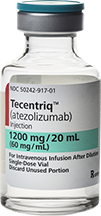
“Tecentriq”
Atezolizumab
Manufacturer
Roche
Price per package The state sets maximum prices for drugs on the Essential Medicines List, but the actual purchase price is usually higher by 0.5–2%.
14 ml — RUB 153,500
20 ml — RUB 219,350
Distribution structure
“R-Pharm” (19% of all contracts in 2025) and its regular sub-distributors “X-Pharm” (7%), “Remedium Pharm” (3%), “Igiya-Pharm” (2%).
Procurement
In 2025, the GKOD conducted three procurements of “Tecentriq” totaling RUB 240.6m excluding VAT (662 packages of 20 ml and 645 packages of 14 ml) from “PharmLine” — a regular secondary distributor for “R-Pharm”.
The companies’ bonus from Roche — about RUB 60m
Bonus27–28%
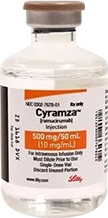
“Cyramza”
Ramucirumab
Manufacturer
Eli Lilly
Price per package The state sets maximum prices for drugs on the Essential Medicines List, but the actual purchase price is usually higher by 0.5–2%.
50 ml — RUB 140,250
10 ml — RUB 28,700
Distribution structure
The main distributor is “Pharmstandard”, but it sells only 25% of the volume to government customers; the remainder goes through intermediaries: “Pharmru” (9%), “SAV-Pharm” (7%), “Inteltrade” (4%), “Zdravservice” (4%).
Procurement
In 2025, the GKOD conducted three procurements of “Cyramza” totaling RUB 54m excluding VAT (296 packages of 50 ml and 469 packages of 10 ml) from “Central Medical Base” — a sub-distributor of “Pharmstandard”
The companies’ bonus from Eli Lilly through the intermediary Swixx Healthcare, which sells the company’s drugs after its withdrawal from Russia amounted to at least RUB 14m
Bonus30%
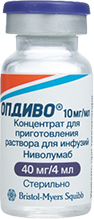
“Opdivo”
Nivolumab
Manufacturer
Bristol Myers Squibb
Price per package The state sets maximum prices for drugs on the Essential Medicines List, but the actual purchase price is usually higher by 0.5–2%.
10 ml — RUB 78,470
4 ml — RUB 31,390
Distribution structure
Following Bristol Myers Squibb’s loud withdrawal from Russia due to the war, the drug is now sold in the country by Swixx Healthcare — the Russian subsidiary of the Swiss group Swixx Biopharma, an intermediary company that sells drugs from global pharmaceutical manufacturers in markets where those manufacturers do not have their own representative offices. Among the major distributors of the drug in Russia, “Pharmstandard” (28% of sales in 2025) and its intermediaries lead the market. However, in 2025, “Opdivo” was supplied to the GKOD by “Baltic Security Service” (BSS) — a major pharmaceutical distributor from St. Petersburg specializing in the promotion of drugs in the Russian Northwest ranked among the top 10 suppliers to the public sector in Russia, which was able to purchase the drug directly from Swixx Healthcare.
Procurement
In 2025, the GKOD purchased “Opdivo” twice for a total of RUB 320.2m excluding VAT (3,456 packages of 10 ml and 1,893 packages of 4 ml)
The bonus of “Baltic Security Service” from Bristol Myers Squibb — about RUB 95m
Bonus30%
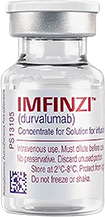
“Imfinzi”
Durvalumab
Manufacturer
AstraZeneca
Price per package The state sets maximum prices for drugs on the Essential Medicines List, but the actual purchase price is usually higher by 0.5–2%.
142 660 ₽
Distribution structure
AstraZeneca has a distribution division in Russia — “Alexion Pharma”. However, “Imfinzi” is supplied to hospitals by a wide variety of distributors, the largest of which are “Basis” (10%), “Irvin” (7%), “Pharmru” (6%), and “Lancet” (5%).
Procurement
In 2025, the GKOD purchased “Imfinzi” four times. All tenders were awarded without competition.
Three small shipments in February, March, and December 2025 totaling RUB 15.4m excluding VAT (a total of 110 packages of 10 ml each) were handled by a fairly large regional distributor, MFC “Severo-Zapad”.
The fourth contract worth RUB 136m excluding VAT (970 packages of 10 ml each) was awarded to “Oblfarm Alliance”, an affiliate of MFC “Severo-Zapad”.
The companies’ bonus from AstraZeneca — about RUB 45m
Source: government procurement data; for bonus amounts — sources in the pharmaceutical market
Such intermediaries can often be identified by a combination of characteristics: a small staff, no website or public contact information, minimal infrastructure, and no clear commercial history followed by a sudden surge in government procurement contracts worth hundreds of millions or billions of rubles in a short period of time.
For example, the company “Pharmcomplex”, through which “Pharmstandard” supplied Pfizer’s palbociclib to St. Petersburg, boasts on its website that it rents “its own warehouse” of 750 square meters near Moscow. “This is a very small warehouse by pharmaceutical industry standards”, Proekt’s source in the market comments. “That means it’s used only for quick transshipment”. At the same time, the company has an extensive delivery network that defies any business logic: it supplies medications to hospitals in the Vladimir and Samara Oblasts, the Krasnodar and Krasnoyarsk Krais, Moscow, and Bashkortostan
. These are the regions where the company operates according to government procurement data
×
. The company’s owner is Vadim Murashov, a psychiatrist and former lecturer at the Faculty of Social Medicine at the Maimonides Academy. He also owns another front company, “Repharm”, which has an even smaller warehouse, just 500 square meters, but supplies nearly the entire country. Both companies deal in cancer drugs marketed in Russia by “Pharmstandard”
. These include “Bavencio” and “Erbitux” from Merck, “Cyramza” from Eli Lilly, and “Opdivo” from Bristol Myers Squibb
×
. The total value of government contracts for Murashov’s companies exceeds RUB 46 billion.
St. Petersburg-based TsMB, which supplies “Bavencio” and other anticancer drugs to the GKOD, is an example of a different kind. The firm has been in business since the late 1990s, has dozens of employees, its own warehouses, and has long operated in the pharmaceutical market, primarily in the Russian Northwest. The total government procurement portfolio of the group of companies to which it belongs exceeds RUB 100 billion
. In addition to CMB, the group includes the companies “Northwestern Wholesale Medical Trade Administration”, “Lekstandard”, “Mentor”, “Profservice”, “Leader”, “Baltimed”, and “Medpribor”, which operate in various regions of Russia. Another member of the group is VTS, a major supplier of medical equipment and an official partner of Siemens
×
. The ultimate beneficiaries of the business are husband and wife Eduard and Nadezhda Ivanov.
The Ivanovs’ companies have already been caught colluding with major distributors, but this had no serious consequences
. In 2018, for example, one of the Ivanovs’ firms was implicated in that very FAS investigation against “R-Pharm”
×
.
A longtime acquaintance and business partner of the Ivanov family is Pyotr Mokshantsev, a well-known doctor and healthcare manager in the Russian Northwest
. Together they own the iCLINIC network of clinics with branches in St. Petersburg and Kaliningrad, which also profits from government contracts, conducting examinations under state contracts and treating infertility under the Mandatory Health Insurance program. Mokshantsev has ties to “Big Pharma”: in the past, he worked at the Russian offices of Pfizer, Merz, AstraZeneca, and other companies. He owned a private clinic called “Integrative Medical Technologies”, which conducted drug research commissioned by “Big Pharma”. Specifically, it tested pregabalin (“Lyrica”) for Pfizer, betahistine for Abbott, and numerous drugs for “Valenta Pharmaceuticals” and others. At the same time, Mokshantsev worked in the “Innovative Pharmaceuticals” division of the “ChemRar” group, which handled the registration and launch of new drugs on the Russian market. “ChemRar” itself has long collaborated with both Western companies such as Roche and Johnson & Johnson, and with Russian giants “R-Pharm” and “Pharmstandard”.
×
Mokshantsev himself worked in the St. Petersburg Health Committee, but most importantly, he is connected to a very influential lawyer from Putin’s inner circle. We’re talking about Vladislav Reznik, the former co-owner of the Rossiya Bank and a longtime State Duma member
Mokshantsev was an aide to Alexander Salaev, a United Russia representative in the St. Petersburg Legislative Assembly. Salaev, in turn, was part of Reznik’s inner circle
×
.
However, according to Antonina, companies like CMB will not cooperate directly with major Western manufacturers, because that would undermine the entire scheme.
“If a small distributor, say, from Khakassia, comes to us and asks, ‘Why do you sell so little in our region? We could sell more for you,’ we’ll personally take them by the hand and lead them to ‘Pharmstandard’ or ‘R-Pharm.’ This benefits everyone: our sales will grow, Kharitonin and Repik will earn bonuses and keep their hands clean, and the secondary distributor will get their own small slice of the regional market and do all the dirty work for everyone”.
Take “Bavencio”, for example. Its distributor in Russia, “Pharmstandard”, didn’t make a single delivery to St. Petersburg in 2025. All the tenders were divided among Kharitonin’s secondary distributors: besides CMB, these include “MFK Severo-Zapad”, “Prometey”, “Pharmproekt”, and NFK. The situation is similar in other regions. For example, in the Moscow Oblast, everything also went through the front companies of “Pharmstandard” (“Barion”, “Bellatrix”, “Phoenix Pharm”, “Ecologic”, “FK Grand Capital”, and others).
“There is no economic justification for the existence of all these companies. If it weren’t for the bribes, ‘R-Pharm’ and ‘Pharmstandard’ could easily supply hospitals directly throughout the country”, Antonina concludes.
The surprising discoveries at “R-Pharm’s” office should have marked the beginning of a major investigation into a cartel agreement. But nothing came of it. “R-Pharm” assured the FAS that it had merely “advised” small distributors on government procurement. In the end, the regulator found “R-Pharm” guilty of illegally coordinating five formally independent suppliers, which allowed them to maintain prices in tenders. But they didn’t even issue an order to remedy the violation
, since the coordination had allegedly ceased by the time the ruling was issued
×
.
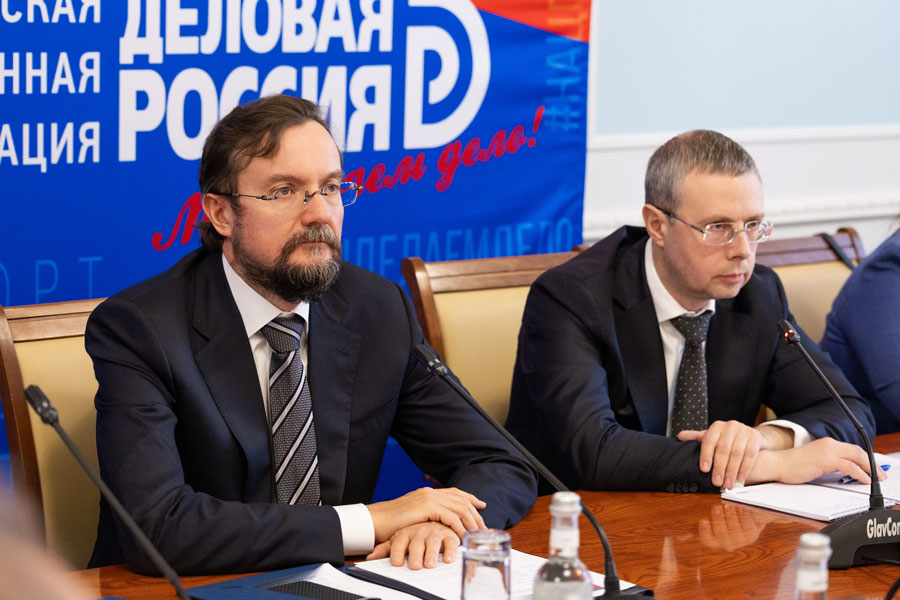
One might think that such leniency can be explained by the amusing fact that, precisely at the time of the inspection of “R-Pharm”, its owner Alexei Repik was serving on the expert council of the FAS itself. Moreover, he was joined by his company’s CEO, Vasily Ignatyev — they were responsible for “promoting competition” on that council.
Alexei Repik at a meeting with FAS head Maxim Shaskolsky. Source: “Business Russia”
Another member of this body was Mikhail Likholetov, owner of the “Wholesale Medical Company” — the very same man who paid bribes to St. Petersburg MP Koval. Repik also headed (and still heads) the “Business Russia” association, a business group that is 100 percent loyal to the authorities. But these are not the only reasons.
How did the pharmaceutical companies respond to this investigation?
In response to our inquiry, director of “R-Pharm” Vasily Ignatyev stated that he categorically denies any involvement by the company, its officers, and/or affiliated entities in cases of making illegal payments to government officials in Russia or any other country in exchange for contracts to supply pharmaceuticals. He added that no investigations are being conducted against “R-Pharm”, its officers, or its affiliates in connection with any criminal or administrative cases.
According to Ignatyev, offering discounts (bonuses) is a common commercial practice. Nevertheless, he declined to provide details on the amounts of bonuses paid to “R-Pharm” by Western pharmaceutical manufacturers.
Ignatyev stated that R-Pharm’s suppliers regularly conduct audits of the company and its management and financial reports, enlisting leading consulting firms for this purpose, which are granted full access, including to information on sales, tender documentation, information on bonuses and discounts, as well as on interactions with healthcare professionals and government officials. “None of the audits conducted (more than 20 over the past 10 years) revealed any signs that could indicate a risk of misuse of bonuses received, misstatement of financial statements, improper payments to government officials or physicians, or other actions that could be considered a violation of the U.S. Foreign Corrupt Practices Act (FCPA) or any other anti-corruption legislation”, Ignatyev assured.
Responding to our inquiry, Novartis stated that it “takes any allegations of misconduct or violations of business practices by its third-party partners very seriously”.
“Pharmimex” responded that it conducts its business “in full compliance with the law and standards of business ethics”.
Roche declined to comment on the activities of its suppliers and the third-party companies it works with in Russia.
Pfizer, Eli Lilly, Merck, AstraZeneca, Bristol Myers Squibb, Swixx Biopharma, Swixx Healthcare, “Pfizer Innovations”, “Alexion Pharma”, “Pharmstandard”, “Pharmcomplex”, “Wholesale Medical Company”, CMB, “Rusmedkom”, “PharmLine”, “X-Pharm”, “Remedium Pharm”, “Igiya-Pharm”, “Baltic Security Service”, “Pharmru”, “SAV-Pharm”, “Inteltrade”, “Zdravservice”, MFK “Severo-Zapad”, “Oblfarm Alliance”, “Refarm”, “Prometheus”, “Farmproekt”, NFK, “Barion”, “Bellatrix”, “Phoenix Pharm”, and “Ecological” did not respond to inquiries from the participants in this investigation.
Very Smart Guys
Oligarchs with ties to the government are the ultimate beneficiaries of the bonus system
Repik has four passions: Japan, California, poker, and national security. He’s been having some difficulties with the first three lately — partly because of the fourth.
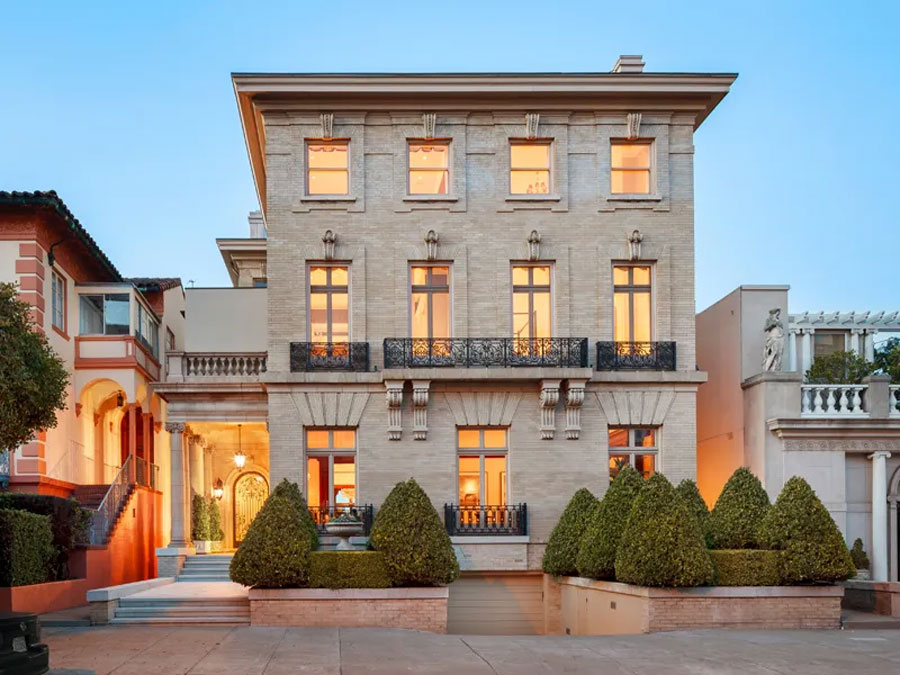
In 2013, Repik bought a very expensive mansion on “Billionaires’ Alley” in San Francisco — that’s what they call the Pacific Heights neighborhood, where the houses overlook the Golden Gate Bridge
, as reported by the anti-corruption initiative Scanner Project
×
. Repik paid $12.75 million for the mansion (it’s now worth about $20 million).
Alexei Repik’s house in San Francisco. Source: sothebysrealty.com
This isn’t just an expensive piece of real estate — it’s a house with a history. In 1945, a reception was held there for delegates to the conference that established the United Nations
, as noted by the San Francisco Chronicle
×
. “He’s in love with California, and he’s lived here most of the time; his children were born here”, says a California acquaintance of his. However, after the invasion of Ukraine began, that love ceased to be mutual — several countries imposed sanctions on Repik, and now he is wary of traveling to the West. His wife Polina still frequently stays at their California home, although she travels there under her maiden name (Rybakova). She enjoys hiking in the picturesque hills surrounding San Francisco, and their daughter is still attending a local private school. The Repik family also adores Japan — Alexei used to trade Japanese alcohol as a hobby, headed the Russian-Japanese Business Council, and was passionate about local art, while Polina sewed Japanese-style clothing.
Repik’s wife Polina Rybakova in front of an outdoor advertisement for her clothing brand. Such posters could be seen all over Moscow in 2025–2026. Source: Polina Repik’s Instagram account
But their business there has been sold, and visits to Japan are now also in doubt — all because Repik has become a key player in Russia’s political system. For the same reason, he has also stopped participating in international poker tournaments, where he had achieved significant success (at one point, he was among the world’s top 10 amateur players).
“A very smart guy”, is how a former high-ranking official describes Repik. His official biography seems to confirm this: he graduated from high school as an external student and, at just 15 years old, landed a job as an economist at Moscow Hospital No. 29, where he learned all the ins and outs of purchasing medications. At 22, he founded his own company with a capital of just $40,000, $15,000 of which he borrowed from his mother.
In reality, his mother lent her son a little more than just money. Forbes magazine once reported that someone close to Repik was connected to the FSB’s logistics and supply service and helped the young entrepreneur secure his first orders for medicine from the Ministry of Internal Affairs and the FSB. Repik’s small firm received these orders right at the very beginning of its existence — something that truly had to be earned. At the time, someone hinted to journalists about the special role Repik’s mother played in this story. Now, one of Proekt’s sources, who is acquainted with the businessman, says that
Repik’s mother Valeria Daeva worked in the 4th Directorate of the Ministry of Health during the waning days of the Soviet Union. This directorate was responsible for servicing and supplying medicines to the government, law enforcement agencies, and all manner of protected facilities.
In the ’90s, Daeva was a business partner of retired KGB foreign intelligence officers
this refers to the “Mobiltrust” company, founded in 1999, where Daeva was a co-founder. Her partners in this business were former managers of the “National Reserve Bank”—Vladimir Chernov, Sergei Shakin, and Anvar Sataev. All of them, like the bank’s owner at the time Alexander Lebedev, had previously served in the KGB’s foreign intelligence service, according to Vedomosti×
. Already in Putin’s Russia, Repik’s mother was a member of the “Strogino” motorsports club—a small nonprofit organization for people whose hobby is racing expensive cars. Among the club’s founders are individuals who are simultaneously involved in the pharmaceutical business and have ties to the intelligence services
. Club president Arkady Zyatkovsky previously co-owned the “36.6” pharmacy chain with Alexander Udodov, the former son-in-law of Prime Minister Mikhail Mishustin; he also owned other pharmacy ventures, “A.V.E”. and “120/80”. He plays on an amateur hockey team alongside officers from the FSB, FSIN, and GRU, as reported by The Insider. Alexander Losev, the son of another auto club founder Vyacheslav Losev, serves as director of the “Kronopharm Industries” pharmaceutical company, which is linked to the “Kanonpharma” group . “Kronopharm Industries” is currently building a drug manufacturing plant in Shchelkovo
×
.
Repik himself has a longtime acquaintance Sergei Vakhrukov, a security official and former governor of the Yaroslavl Oblast. Repik and Vakhrukov literally lived next door to each other in a gated cottage community built specifically for them on the banks of the Volga River in Yaroslavl
, as Scanner Project revealed×
. In this region, “R-Pharm” firmly controlled public procurement of medicines. Today, Vakhrukov is the right-hand man of former FSB head Nikolai Patrushev, the security official closest to the president. Repik also does favors for Putin’s own family. He flew Putin’s daughter Katerina Tikhonova to Europe on his Bombardier Global 5000 jet
, as reported by iStories and Der Spiegel
×
.
Sergei Vakhrukov and Nikolai Patrushev in Nizhny Novgorod. Source: screenshot from a Russia 24 broadcast
Repik denied any ties to the security services with a joke: he said he likes to feel like a “felt boot with the FSB behind it”. Be that as it may, Repik is highly favored by the security forces. He has supplied — and continues to supply — medicines to the Ministry of Defense, the FSB, the Ministry of Internal Affairs, the Ministry of Emergency Situations, and the Federal Penitentiary Service (FSIN). After the invasion of Ukraine began, Repik started doing business in the occupied territories, which also implies approval from the security services: his company, “R-Stroy”, is building housing and social facilities in Mariupol
, as Scanner Project revealed in 2023
×
.
“There are two things to understand about Alexei. First, he’s always ready to help the authorities in every way — whether that’s due to his upbringing or his character. Second, he needs to be admired. So if Putin praises his business, Alexei will go out of his way to please him”, says an acquaintance of the pharmaceutical tycoon, another person on the list of Russia’s wealthiest individuals.
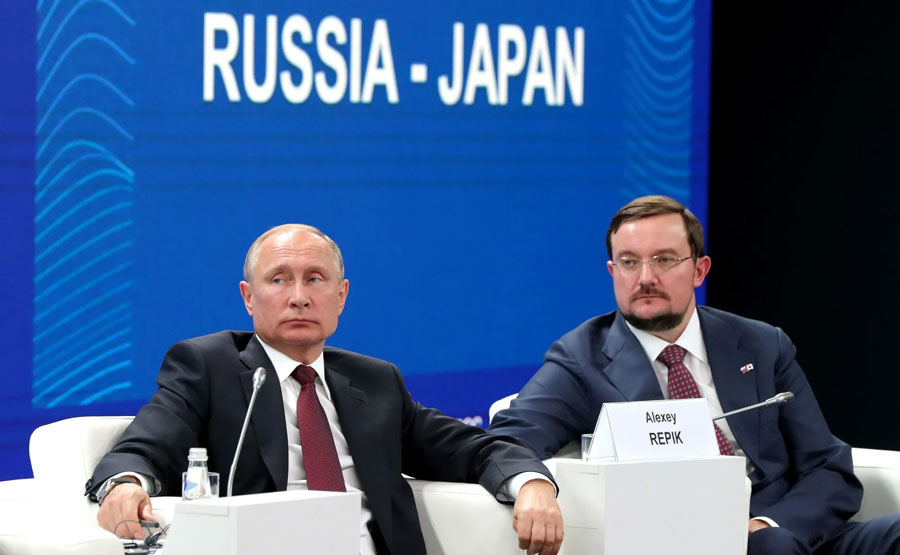
Vladimir Putin and Alexei Repik at the “Russia — Japan” session during the St. Petersburg International Economic Forum, 2018. Source: Kremlin website
In addition to his mother and the authorities, another boost to Repik’s career came from the father-in-law of popular singer Nikolai Baskov. It was in this capacity that the country came to know businessman and politician Boris Spiegel in the early 2000s. His connection to the singer was not his main achievement though — at the beginning of the Putin era, Spiegel essentially devised the current system of government procurement of medicines. Until 2021, he was the owner of “Biotech”, one of Russia’s five largest pharmaceutical distributors.
How Western companies bribed Spiegel
In 2012, Eli Lilly paid a $29.4 million fine to U.S. authorities for violating anti-corruption laws while operating in Russia, Poland, China, and Brazil.
The investigation revealed that in 2002, the Russian Ministry of Health selected a pharmaceutical distributor to supply medications to patients at the government’s expense. The distributor agreed to purchase the drugs from Eli Lilly’s Russian subsidiary but imposed an additional condition: signing a separate contract for the storage and delivery of the drugs with a Cyprus-based offshore company. Eli Lilly paid this company “up to 30% of the purchase price” of the drugs for marketing — a total of more than $5.2 million. Another $3.8 million was allegedly paid for storage. The name of the offshore company’s beneficiary and the distributor are not named in the lawsuit against Eli Lilly, but the details clearly point to Boris Spiegel and his “Biotech”.
Four years later, the pharmaceutical company Teva paid nearly $520 million for similar violations in its operations in Russia, Ukraine, and Mexico.
Since 2006, Teva’s Russian division had been urging its headquarters in Israel to collaborate with Spiegel’s company “Biotech”. In their correspondence, he was referred to as a “key pharmaceutical lobbyist” capable of “influencing the industry” and ensuring expedited drug registration. The Israeli office responded that it supported “any initiatives capable of strengthening the company’s position in Russia”.
In 2008, Teva’s management met with Spiegel in Israel, and the company’s flagship drug “Copaxone”, used to treat multiple sclerosis, was included in the “Seven Nosologies” government program, under which expensive drugs were purchased using federal budget funds. Later, to increase the chances of selling the drug through government procurement, Teva agreed to have Copaxone repackaged at “Biotech’s” plants. During the negotiations, Teva’s Russian managers warned the head office about the risk of losing $100 million in annual sales and relayed Spiegel’s threats: without the partnership, prices and supply volumes would be “deliberately reduced”.
As a result, “Biotech” received “additional discounts” on the drug, which Teva viewed as “expenses for building relationships” with Spiegel
, as cited from the company managers’ correspondence in the case file
×
. According to their calculations, the former senator’s connections made it possible to maintain high prices and volumes of government procurement and to slow down the registration of generic drugs. Through this scheme, Teva made $200 million, and Boris Spiegel himself — $65 million
, according to the press release from the U.S. Department of Justice
×
.
In 2005, the then-director of “Biotech” introduced the young Repik to Spiegel as a junior partner. “He already had a pharmaceutical business, but it was small. We talked, and I liked him: a talented, forward-thinking guy. We entrusted him with certain regions and some fairly complex drugs (this refers to drug distribution — Proekt). He handled it well, and that’s how ‘R-Pharm’s’ rise began”, Spiegel recalls.
In 2021, at the height of the COVID-19 pandemic, Spiegel, his wife (who was also his business partner), and several managers and officials associated with them were detained. According to investigators, Spiegel paid bribes to Penza Oblast Governor Ivan Belozertsev and other local officials in exchange for favorable treatment during tenders for the procurement of medicines for hospitals in the region. Spiegel was handcuffed right at the airport, where he had arrived from a medical examination in Israel; his wife, Evgenia, was taken into custody at their country home near Moscow. Investigators and judges were not deterred by the fact that Spiegel suffered from several serious chronic illnesses and even kept his oxygen tank with him in his pretrial detention cell. The businessman received a harsh sentence — 11 years — and was released from prison on health grounds only after 3.5 years; his wife and accomplices remain behind bars to this day
. Except for one former official, who was able to leave the prison system by signing a contract to fight in the war in Ukraine
×
.
Boris Spiegel with his wife Evgenia. Source: Instagram
After his release, Spiegel left for Israel. He told Proekt that he still does not admit to the charges. The former senator was accused of accepting not only monetary bribes but also those in kind — he provided the governor with a car from the “Biotech” fleet and gave him a watch as a birthday present. Spiegel doesn’t deny the watch: “They never found the money. But the watch?! Am I not allowed to give him a watch? He gave me an antique dinner set for my birthday, and I gave him a watch”.
Technically speaking, even this single incident could be interpreted as bribery (the case involved a Breguet chronograph, which can cost up to several tens of thousands of dollars). But Spiegel’s ties to Penza officials were, of course, far closer and more informal than the gifted watch. A political strategist who worked for Spiegel puts it simply: “It was literally his region; he could do whatever he wanted there”.
Our source at “Biotech” says that someone even more influential than Spiegel himself was behind the attack. “Look at who ended up with this business after he was jailed”, he says
. Spiegel himself declined to comment on this version of events. According to him, the immediate trigger for the attack was his refusal to share a cut of the profits from state tenders he had won with his protectors in the Ministry of Internal Affairs
×
. “Biotech” went bankrupt, and its main creditor became the company’s primary competitor and current market leader in government procurement — the “Pharmstandard” holding company
. “Pharmstandard” had been supplying drugs to “Biotech” for many years and, by the time the group collapsed, had accumulated more than RUB 600 million in accounts receivable. Even after the Spiegel family’s problems began, the debt was not collected immediately; instead, it was restructured and secured with a valuable asset — as collateral, “Pharmstandard” received the controlling stake in the Penza-based pharmacy chain “Pharmatsia”, which belonged to Spiegel. At that time, “Pharmatsia” had a large retail market, a portfolio of government contracts worth RUB 1.8 billion, and real estate valued at RUB 1 billion
×
.
They all treat us
The Russian elite — from President Putin’s family to his security guards and ministers — has become deeply involved in the pharmaceutical industry. This provides them with a guaranteed income — primarily at the expense of the state budget.
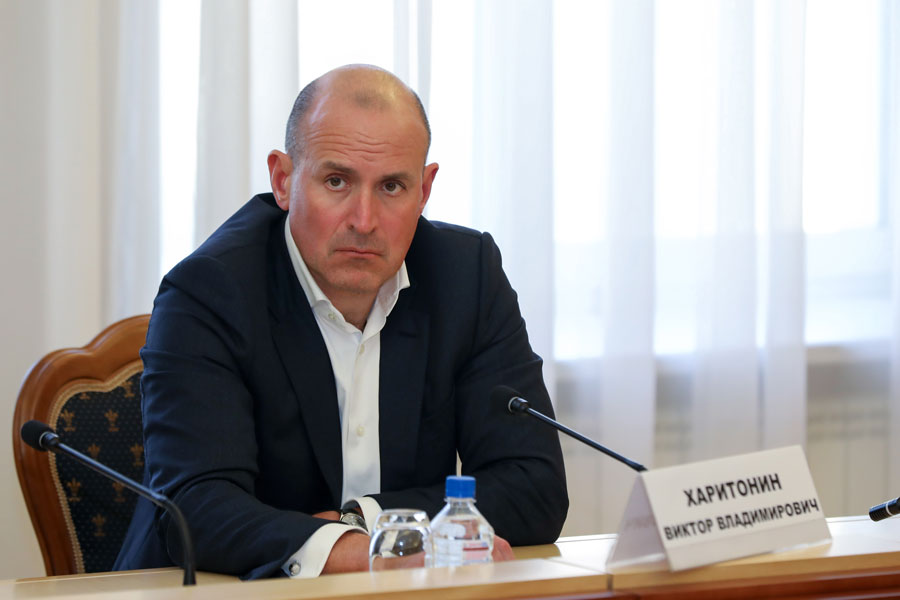
“Pharmstandard” and its owner Viktor Kharitonin are perhaps the best example of just how interconnected everything is in the Russian pharmaceutical market. Ironically, a former government official familiar with the players in the market describes Kharitonin using the same phrase he used to describe Repik: “A very smart guy”.
Viktor Kharitonin. Source: Krasnoyarsk Krai administration website. Photo: Vadim Kofman
Unlike Repik, Kharitonin didn’t enter the pharmaceutical industry right away. In the late 1990s, he managed investments on behalf of billionaire Roman Abramovich. In 2003, Abramovich and his partners acquired the Russian operations of the American company ICN Pharmaceuticals: five manufacturing plants and a pharmacy chain. “Pharmstandard” grew out of these assets. By that point, Abramovich was already more than just a billionaire. Since 2001, he had served as Governor of Chukotka. In other words, from the very beginning, Kharitonin’s pharmaceutical empire was built on a combination of money and power. “Pharmstandard” really took off in the 2000s, and not because of its medicines at all: we’re talking about “Arbidol”, a drug with no proven therapeutic properties, yet one that became one of the most popular anti-flu remedies in Russia. And here, once again, the state stepped in to help. In 2009, during the swine flu epidemic, the government designated “Pharmstandard” as the sole supplier of “Arbidol” for the federal reserve. The health minister who lobbied for this procurement at the time was Tatyana Golikova, a close acquaintance of Kharitonin. As a result, sales of the drug doubled that year and brought the company RUB 5.5 billion in revenue
, as reported by “Kommersant”
×
.
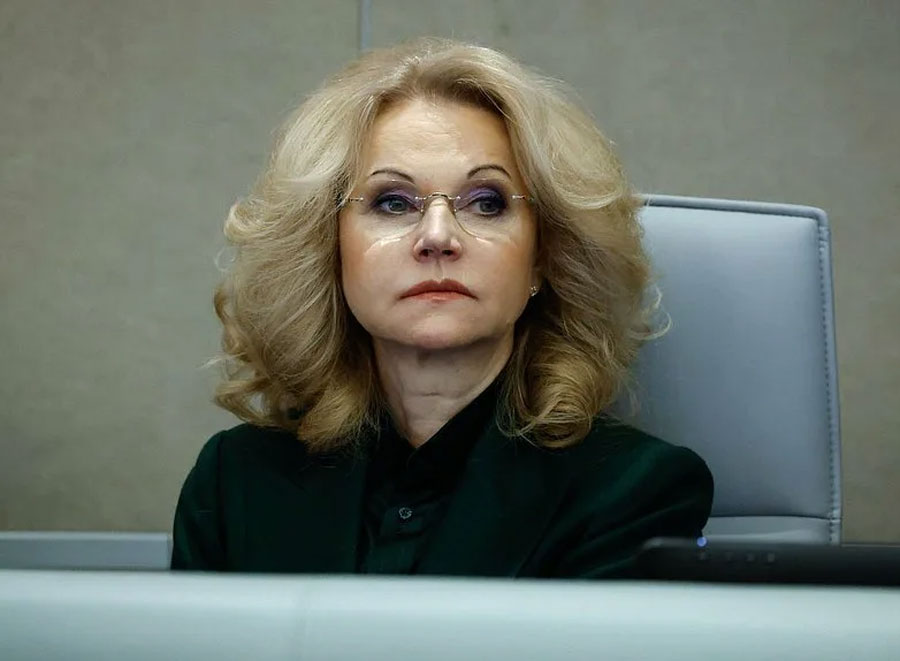
Tatyana Golikova. Source: State Duma website
A similar story unfolded with “Velcade”, a genuine and expensive drug from Johnson & Johnson intended for the treatment of multiple myeloma. “Pharmstandard” is the main distributor of “Velcade” in Russia. In 2009, the Russian company “Pharm-Sintez” registered the first domestic generic version of “Velcade” — “Milanfor”. Just a month later, however, Golikova initiated the revocation of “Milanfor’s” registration. “Pharm-Sintez” attempted to fight this in court, but in the end, their drug never made it to market. Golikova still serves as the deputy prime minister in charge of the healthcare sector. Her stepson Vladimir Khristenko worked for Kharitonin as a manager and later became a co-founder of the pharmaceutical company “Nanolek”, which received massive state investments and is now also controlled by “Pharmstandard”.
Broadly speaking, it is Repik and Kharitonin who currently control the lion’s share of the government drug procurement market in Russia. They are the ultimate beneficiaries of the bonus system.
In 2025, “R-Pharm” and “Pharmstandard” supplied the government with cancer drugs worth RUB 52.8 billion
, according to Cursor×
. This amount alone sounds very impressive. But if we take into account several major companies
within the top 10 suppliers to the state segment alone, “Pharmstandard” effectively controls “Nanolek”, “Biokad”, and “Medipal-Onco”, and the major distributor “Lancet” has historically been linked to “R-Pharm”; the total volume of state contracts for these four companies is estimated at approximately RUB 120 billion
×
and the hundreds of small secondary distributors they effectively control in the regions, their actual market reach is several times greater.
Trump Helped, Putin Didn’t Object
U.S. authorities attempted to investigate pharmaceutical corruption in Russia, but the White House put the brakes on the case
“My belief that I was doing something good and useful melted away in direct proportion to the bonuses my company paid to people like Repik and Kharitonin”, says Antonina. “At the same time, the board of directors spends enormous resources to imitate internal audit and cover itself with reports on ethical business practices”.
On January 8, 2021, an accident occurred on the intersection of Moscow’s Third Ring Road and Leningradskoe Highway. A Mercedes GLS driven by 45-year-old Grigory Nemenov crashed into a guardrail. The driver was found inside, unconscious but nearly unharmed. A breathalyzer test showed that Nemenov had not been drinking, but he refused to go to a drug treatment facility. The driver was found to be in possession of about one gram of cocaine and RUB 97 million in cash (that’s about 20 kilograms of money). The victim explained the origin of these items as follows: a friend had given him the drugs at a party, and the money was his personal savings.
Grigory Nemenov. Source: SakhaNews
Nemenov is neither a businessman, nor a gangster, nor a government official. At the time of the accident, he was the head of the commercial department of the Russian division of Johnson & Johnson, one of the world’s largest pharmaceutical companies, which states in its documents that it “strives to serve as a model of ethical business conduct”. In essence, Nemenov oversaw all of the American company’s relationships with major Russian distributors; in other words, he was directly involved in handling the bonuses. The incident was discussed behind the scenes in the pharmaceutical market for several months, with people wondering which of the distributors had paid Nemenov such a large “kickback” in exchange for preferential treatment
, Antonina recalls her conversations with other managers at “Big Pharma”
×
. None of Nemenov’s colleagues doubted the corrupt origins of the millions
, Proekt’s interlocutor adds, smiling
×
.
Johnson & Johnson did not respond to Proekt’s inquiry as to whether an internal investigation was conducted into the origin of the cash found in their employee’s car. Most likely, the company decided to quietly sweep this story under the rug. The court fined Nemenov for cocaine possession, and the company parted ways with him by mutual agreement nine months after the car accident. Nemenov didn’t disappear — he became a co-owner of two companies engaged in the very same business: the distribution of Western medications. One of these firms, “Lekstandard”, supplies medications to the St. Petersburg healthcare system. The second company, “Eco-Pharm”, supplies state hospitals with the extremely expensive drug “Spinraza”, which was brought to the Russian market by Johnson & Johnson
“Spinraza” is manufactured by the American company Biogen, which has entered into a strategic agreement with J&J regarding the registration and import of the drug into Russia
×
, while the largest domestic distributor is “Pharmstandard”. Alexander Friedman — the former director of one of “R-Pharm’s” front companies — became Nemenov’s partner in this business
Friedman headed the company “Pharmresource”, which primarily supplies Roche drugs in Russia
×
. Thanks to Nemenov, these two secondary distributors have already secured government contracts worth at least RUB 15 billion
. For comparison: before Nemenov, “Lekstandard” had contracts worth RUB 1.8 billion from 2019 through January 2022; afterward, its portfolio grew to RUB 14 billion. “Eco-Pharm”, on the other hand, had no government contracts at all. Nemenov did not respond to Proekt’s inquiry
×
.
“Of course, a big pharmaceutical company somewhere in New Jersey knows about the practices prevalent in Russia. But these practices are profitable for them: they can secure large sales in a major market without getting their hands dirty in all these corruption schemes, and without having to deal with the FAS, which can come to anyone and ask, ‘Why are you the only ones selling here? And why are you selling so much (or so little)?” says Antonina.
Every company has an internal audit department that reports not to the CEO, but solely to the board of directors. According to Antonina, auditors closely monitor how much doctors are charged for coffee and snacks during international conferences and whether it’s permissible to pay for doctors to stay at an expensive hotel.
“But at the same time — it’s unbelievable! — they couldn’t care less about bonuses. If one of the auditors questions this, the manager for Russia will reply: ‘Everyone pays bonuses, look at the studies, we’re just following the market trend”, she laments.
As a rule, when publicly explaining the necessity of bonuses, the management of Western companies cites the need for multi-tiered distributors to solve logistical problems—“Our country is large, and transporting a few vials to, say, Sakhalin, is expensive and difficult”. But that’s a ridiculous excuse, says a manager with many years of experience: “There are large retail distributors operating in the market who supply medicines to 70,000 pharmacies across the country. For a small fee of 1–2% of the drug’s cost, they could be entrusted with delivering the goods to hospitals as well”.
“There’s nothing more foolish than appealing to logistics. For example, the rare drug ‘Zolgensma,’ used to treat spinal muscular atrophy, is manufactured by Novartis. For patients in Russia, it is purchased by the state-funded ‘Circle of Good’ foundation — this is always a one-off procurement. The dosage is tailored for each child, and then the drug is shipped to Russia under deep-freeze conditions (at a temperature no higher than -60°C) from the company’s plants in the U.S., and then it is thawed and administered to the patient”, Antonina explains the process. “So why does Novartis handle these one-off shipments through distributors?! They take an order, manufacture the drug at their own factory, and then transport it to Russia via special delivery: containers, sensors… All of this goes through customs clearance. They bring the drug to Russia, store it in their own warehouse, and then, to get it to a specific hospital, they suddenly need a distributor, whom Novartis will pay $30,000–60,000 to deliver each vial from its warehouse to the hospital?” our source fumes.
“Zolgensma” is one of the most expensive drugs in the world; currently, it costs about RUB 93 million for a single child in Russia. Therefore, the distributor’s bonus here is small — 3–6% of the purchase price, Antonina explains. But even under these circumstances, the Russian distributor earned at least RUB 1.2 billion in bonuses
. Since 2021, when the drug was registered in Russia, it has been purchased nine times using public funds, with the total value of the contracts amounting to RUB 42.2 billion
×
. The distributor of “Zolgensma” in Russia is “Pharmimex”, a company owned by the family of Alexander Apazov
. Apazov himself died on October 2, 2026
×
. Apazov’s longtime business partner Andrei Maksimkin is the husband of Elena Maksimkina, who heads the Russian Ministry of Health’s “Federal Center for Planning and Organizing the Provision of Medicines to Citizens”, which procures the drug for Russian children
. The Ministry of Health did not respond to Proekt’s inquiry
×
.
Elena Maksimkina. Source: Federation Council website
“The management of pharmaceutical companies must understand that the bonuses and margins provided to Russian distributors working with the government bear no relation to the work they actually perform or the services they provide. But no one questions the ‘necessity’ of these bonuses, because management does not want to know what distributors actually do with this money — including which officials they pay”, states a complaint filed by independent lawyers with the U.S. Securities and Exchange Commission (SEC) in June 2025 (the document is available to Proekt).
Authorities in both Russia and the U.S. (nearly all “Big Pharma” companies are either registered in the U.S., traded on a U.S. stock exchange, or both) are aware of the bonus system and the fact that this money is being used for corruption.
U.S. regulators could put a stop to this practice by fining at least one of these companies for bribing Russian officials and doctors, but they have taken no action.
Proekt is aware that as early as 2024, based on insider information, several complaints were filed simultaneously with the U.S. Department of Justice and the Securities and Exchange Commission requesting an investigation into corruption and collusion in tenders for the sale of drugs in Russia
. Specifically, the complaints concerned the activities of Novartis, MSD, AstraZeneca, and Eli Lilly
×
. But just as the investigation was getting underway, it stalled after Donald Trump began his second presidential term. In February 2025, he suspended new investigations under the Foreign Corrupt Practices Act (FCPA) and demanded a review of how it was being applied
. Responding to our inquiry, the U.S. Department of Justice neither confirmed nor denied that investigations were underway. The Securities and Exchange Commission (SEC) declined to comment
×
. Meanwhile, the U.S. Department of Justice ordered that the law be used primarily to combat corruption linked to drug cartels and transnational organized crime.
The Russian authorities are also in no hurry to dismantle this corrupt system. In 2022, after Bristol Myers Squibb withdrew from Russia due to the war, the following exchange took place in Vladimir Putin’s office in the Kremlin.
“We are currently working with the FSB on the following issue: foreign pharmaceutical companies have, unfortunately, recruited a number of healthcare facility directors and medical workers in 30 regions”, Yuri Chikhanchin, head of Rosfinmonitoring, reported to the president.
“Our people?” Putin asked.
“Yes. And they were pushing their own drugs, paying quite a lot of money for it. In just one scheme alone, we saw that they transferred 500 million”.
Nothing came of this conversation. Bristol Myers Squibb soon quietly returned to the Russian market — not directly, but rather through the Swiss intermediary Swixx Healthcare, whose sales in Russia rose sharply after 2022. Now Bristol Myers Squibb pays sales bonuses to its Swiss secondary distributor, which in turn pays them to “Pharmstandard”. Part of this money likely still goes toward bribing chief physicians, officials, and law enforcement officers.
Who is Swixx Healthcare?
Swixx Healthcare is what is known as a “substitute” pharmaceutical company. It hardly invents or manufactures anything on its own: its business is to take over the operations of an international manufacturer in a country where that manufacturer does not have its own subsidiary.
The Swixx BioPharma Group, of which Swixx Healthcare is a part, was founded in Switzerland in 2014. It was established by Stuart Swanson and Petr Nemec, both of whom have backgrounds in the international pharmaceutical industry. Swanson previously worked at Bristol Myers Squibb and headed the Russian division of Pfizer, while Nemec served as CEO of BMS in Southeast Europe. The company’s current CEO Jean-Michel Lespinas also previously headed Bristol Myers Squibb Russia.
Initially, Swixx grew in the markets of Central and Eastern Europe, while in Russia it operated with only a limited product range. The turning point came in 2022, when Bristol Myers Squibb withdrew from the country, leaving the distribution of its products to Swixx. Furthermore, most employees of the BMS Russian office were offered positions at the Swiss company’s Russian subsidiary.
“The government could put an end to this whole bonus issue with a single stroke”, says Antonina. The sale of medications in Russia, as in the rest of the world, is regulated by the government. It is the government that sets price caps on medications included on the list of essential drugs (and all the medications we cited as examples are on that list). The prices are first reviewed and approved by the Federal Antimonopoly Service (FAS) and then registered by the Ministry of Health. “These government agencies have full authority to ban huge sales bonuses for drugs in the state segment, just as they did, for example, with wholesale markups”, says Antonina
. She refers to the prohibition on applying a markup higher than the regionally established rate when selling drugs included in the list of essential medicines
×
. But the authorities do not enforce this. “That’s because everyone profits from this scheme”, she concludes
. The FAS did not respond to Proekt’s inquiries
×
.
* * *
Paradoxically, the purchase price for most complex anticancer drugs in Russia remains lower than in the developed world, even given the level of kickbacks factored into the cost of these drugs for the Russian budget. For example, the price of Pfizer’s “Itulsi” (palbociclib) — the drug Olga Lender had been fighting to have prescribed — is RUB 66,700 (approximately EUR 700) per package of 21 capsules. The same drug costs EUR 1,800 in Germany. “Itulsi” costs about the same in other European countries, with a difference of a couple hundred euros
, as a research group led by the Netherlands Cancer Institute established by comparing the procurement pricing of cancer drugs in 23 hospitals across nine European countries for 2022
×
.
“Cancer drugs are high-margin products; their production costs are significantly lower than their prices”, explains Antonina. “And Russia is a good market. Cancer is diagnosed well here, there are many patients, and the government allocates budgets for drug purchases. Therefore, even with prices lower than in developed countries, pharmaceutical companies make money on sales volumes. And they’re willing to fight for those volumes by handing out bonuses as bribes”.
Our interviewee is convinced that banning or drastically reducing these bonuses would benefit everyone.
“Prices for cancer drugs for the healthcare system could be reduced by at least another 15–20%. Patients would receive more medication, and pharmaceutical companies would enjoy stable sales and stable profits. But most importantly, this would contribute to the development of the entire industry, because without corruption, more new and effective drugs would make their way into hospitals”.
The following people also contributed to this project: Sydney P. Freedberg, Dean Starkman, Delphine Reuter, Fergus Sheil, Agustín Armendariz, Philipp Albrecht, and Timo Kollbrunner.
Edited by Roman Badanin Fact-checked by the Proekt team
By making a monthly donation to The Project, you will help us publish even more important and high-profile investigations.
Закрыть
Maria Vorontsova
Eldest daughter of President Vladimir Putin
She is a co-owner and member of the board of directors of “Nomeco,” a company that develops radiopharmaceuticals for theranostics (a medical approach where a drug serves as both a diagnostic tool and a treatment for a disease, used in oncology and nuclear medicine). In its early stages, the company was financed by SOGAZ, which is linked to the Putin family. The company owns the “My Medical Center” clinic chain and is also building a nuclear medicine center in the Leningrad Oblast.
Katerina Tikhonova
Youngest daughter of President Vladimir Putin
She is the chair of the Interdepartmental Coordination Council for the Development of Pharmaceutical Innovations.
Mikhail Putin
The president’s second cousin
In the mid-2000s, together with longtime head of Russian Railways (RZhD) Vladimir Yakunin and partners, he founded the pharmaceutical companies “Satelprom” and “Biosat,” which were engaged in drug manufacturing and biotechnology (both companies have since been dissolved).
Elena Serova
Sister of Rostec head Sergey Chemezov
She owns a stake in a company that is part of the pharmaceutical network of the drug manufacturer “ChemRar.” Her partners in this business include former “Oboronprom” head Andrei Reus, former head of Roche Russia Miloš Petrović, and Viktor Kharitonin’s “Pharmstandard.” Previously, she also held a stake in “Biomedica” — a project for the production of bacteriophage-based drugs, in which Rostec’s “Natsimbio” held a controlling stake.
Anastasia Ignatova
Stepdaughter of Rostec head Sergey Chemezov
She is the owner of “Pharmapt,” a company that manufactures pharmaceutical ingredients. “Pharmapt” is linked to “Marathon Group,” which is owned by Alexander Vinokurov, the son-in-law of Foreign Minister Sergey Lavrov.
Nikita and Sergey Pankov
Relatives of Minister of Economic Development Maxim Reshetnikov
Nikita, the minister’s brother-in-law, owns a stake in “Vilan Company” — a former supplier of medicines under government contracts to the Moscow Oblast Ministry of Health, the regional oncology clinic, and the Ministry of Defense’s main clinical hospital.
Until 2015, the minister’s father-in-law Sergey was a co-owner of the Perm-based drug supplier “Medias,” which supplied medications to beneficiaries under government contracts (total contract value exceeds RUB 10 billion).
Mark Murashko
Son of Health Minister Mikhail Murashko
In the past, he headed several medical companies affiliated with “Natsimbio” — a pharmaceutical holding company under the state-owned “Rostec” that works with immunobiological drugs and vaccines.
Alexander Vinokurov
Son-in-law of Foreign Minister Sergey Lavrov
He gradually entered the pharmaceutical industry after a career as an investment banker. First, he bought a stake in the distributor SIA; then he consolidated the drug manufacturer “Sintez,” where his partner was the Rostec-affiliated holding company “Natsimbio”; then he invested in the vaccine manufacturer “Fort” and built an entire pharmaceutical network within his “Marathon Group.” He personally lobbied government ministries to raise vaccine procurement prices (as reported by Forbes).
Semyon Vinokurov
Father of Alexander Vinokurov, son-in-law of Foreign Minister Sergey Lavrov
He was an independent figure in the industry long before the emergence of “Marathon Group.” In the 1990s, he was involved in importing medicines; later, he supplied Moscow pharmacies, headed the state-owned “First Pharmacy Warehouse,” and in 2005 became head of the state unitary enterprise “Capital Pharmacies,” which united hundreds of Moscow’s pharmacies. He also held a stake in “Sintez,” a drug manufacturer owned by his son.
Gennady Dyumin
Father of State Council Secretary and Putin adviser Alexei Dyumin
Alexei Dyumin is Putin’s former bodyguard and now a presidential aide. Gennady Dyumin has long-standing business ties to the pharmaceutical market: he held a stake in the company “D & D Pharma” and received income from pharmaceutical manufacturers Novartis and Sanofi. Later, his name was linked to the “PharmeCo” group — a major supplier of expensive medications, including to the state-run “Circle of Good” fund (Dyumin himself serves as deputy chairman of the company’s board of directors, and Meduza’s sources in the pharmaceutical market referred to “PharmeCo” co-owner Zhanna Sergienko as his relative).
Fatima Khazueva
Wife of Chechen leader Ramzan Kadyrov
She is his second wife and the owner of the Darba Pharmacy chain. The company is growing rapidly: the first pharmacy opened in December 2024, and in March 2025, the local Ministry of Health named it the largest in the republic.
Oleg Akberov
Relative of Head of Tatarstan Rustam Minnikhanov
He is married to Leyla Akberova, the niece of Head of Tatarstan Rustam Minnikhanov, and has for many years headed the state-owned company “Tattechmedpharm,” which supplies medicines to the republic’s hospitals and operates retail pharmacies.
Ivan Karelin
Son of Senator Alexander Karelin
His father is a senator from the Novosibirsk Oblast. Ivan holds a stake in the Moscow-based company “Menora-Med,” which is involved in the production and sale of medications. The company owns trademarks for modern wound-healing and dressing materials.
Alexander Petrov
State Duma member
He entered the State Duma as an established player in the pharmaceutical market. He initially imported equipment and medicines — as he himself admitted in an interview — at the request of “people from the FSB.” He then founded and headed the Ural-based “Medsintez” plant, which specializes, among other things, in insulin. He served as executive director of the Ural Pharmaceutical Cluster. After he left to join the State Duma, the assets were transferred to his eldest sons, Alexander and Denis.
Alexander Prokopyev
Former State Duma member
He also entered politics from the family pharmaceutical business — the “Evalar” group of companies, founded by his mother Larisa Prokopyeva. The company produces not only dietary supplements but also registered pharmaceuticals. His sister Natalia currently chairs the board of directors of “Evalar.” In the State Duma, Prokopyev served on the Health Protection Committee.
Sergey Nikiforov
Former son-in-law of Communist Party leader Gennady Zyuganov
The ex-husband of Gennady Zyuganov’s daughter was previously a founder of companies involved, among other things, in the retail sale of pharmaceuticals. Later, this business was transferred to entrepreneur Samson Sagoyan; however, according to leaked information, Nikiforov continued to receive income from the pharmacy chain.
Vladimir Yevtushenkov
Billionaire with family ties to the FSB
He has gradually turned the pharmaceutical sector into one of the major vertical businesses of his AFK “Sistema.” Several pharmaceutical companies within his Binnopharm Group produce hundreds of drug products.
Sergey Matviyenko
Son of Federation Council Speaker Valentina Matviyenko
During the period when Valentina Matviyenko was Governor of St. Petersburg (2003−2011), “Imperia-Pharma” — a distributor that was part of the “Imperia” holding company, of which Sergey Matviyenko was the beneficiary — became one of the main suppliers of medicines to the city authorities. In 2012, the company expanded significantly, acquiring the federal “Doctor Stoletov” chain of more than 400 pharmacies. After Valentina Matviyenko stepped down as mayor, the company’s position in the region weakened sharply, and by 2015 it had closed. Longtime director Mikhail Stepanov first moved to “Biotech,” owned by former senator Boris Spiegel, and then became the head of “Irvin-2” — one of the largest suppliers of high-cost medications to the government.




 1. Roche
 2. Astra Zeneca
 4. Sanofi
 5. Johnson & Johnson
 9. Astellas


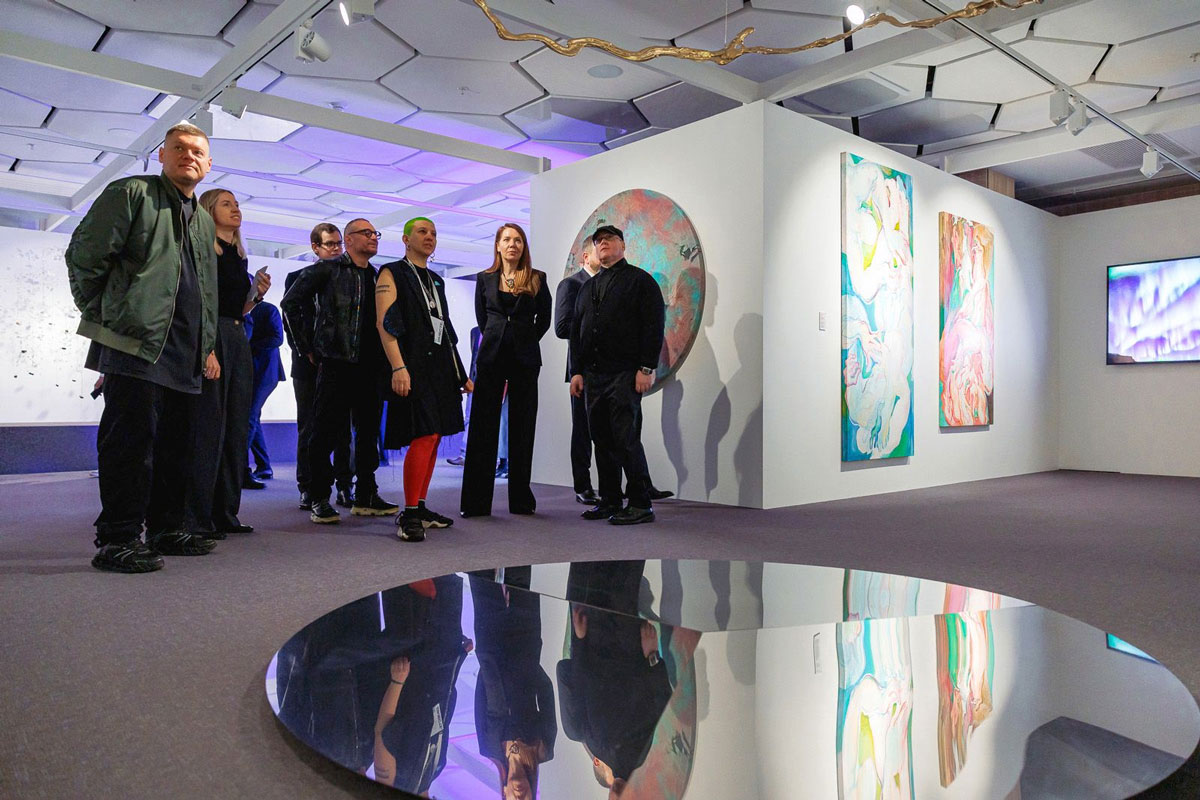
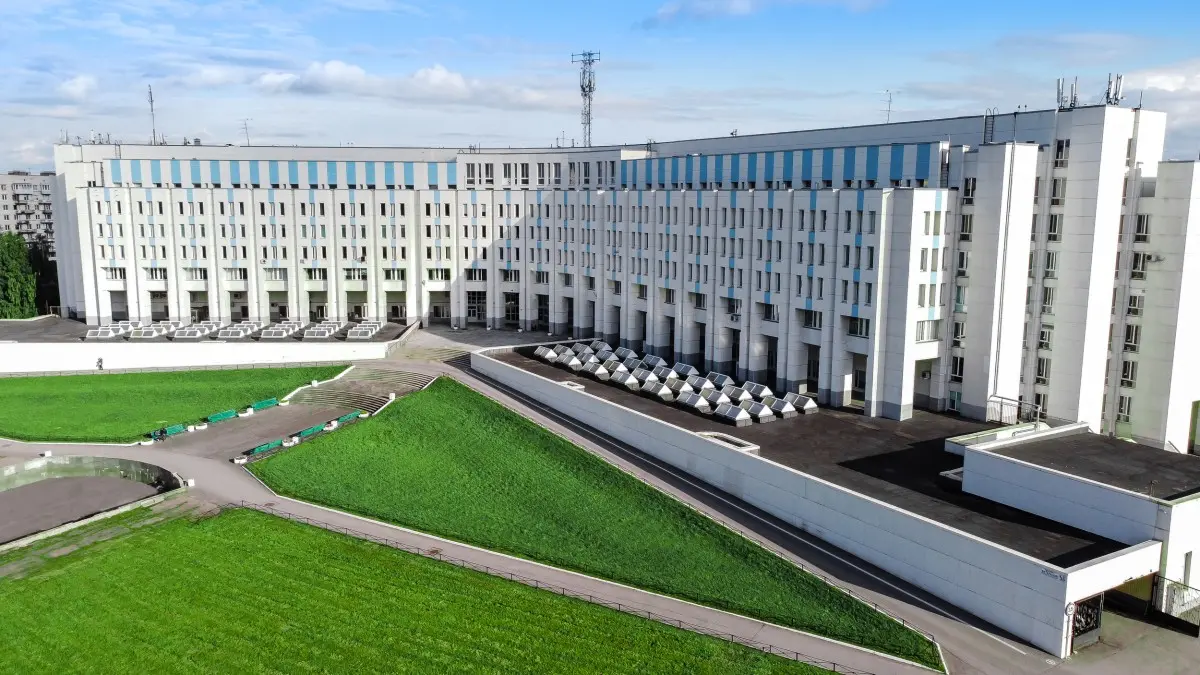
 Russia
 Brazil
 Turkey
 South Korea
 Saudi Arabia
 Bulgaria